01
Your upload outranks the generated cast
Drop a photo onto a character and it becomes that character's primary reference everywhere downstream — keyframes, video dispatch, later shots. A generated subject sheet never quietly wins back.
Use an AI short video generator from photo the way a casting director would: upload the person once, and every shot that features them is generated with that photo attached as a reference. Not a one-off animation of a single image — a multi-shot sequence that keeps the same face.
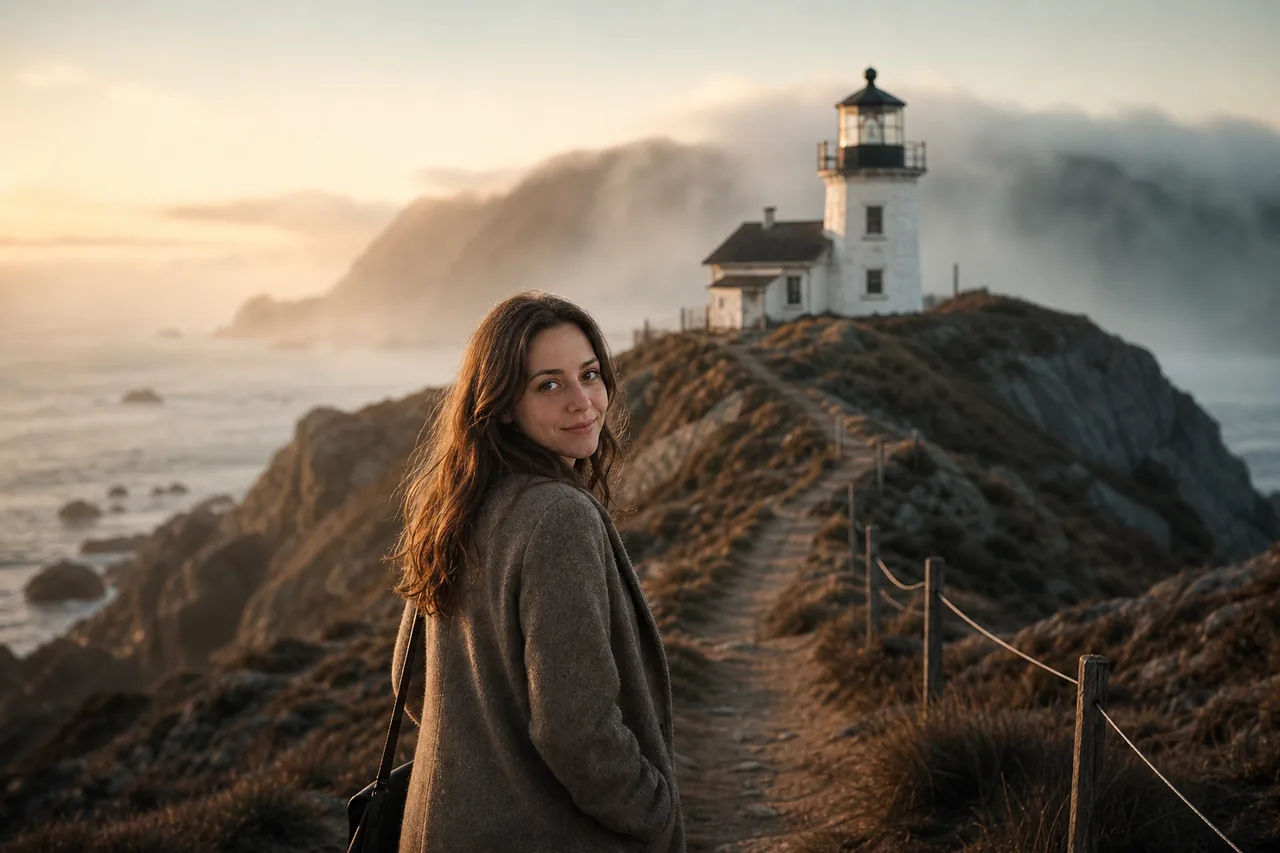 Vídeo
VídeoDrop a photo onto a character and it becomes that character's primary reference everywhere downstream — keyframes, video dispatch, later shots. A generated subject sheet never quietly wins back.
Reference slots range from three to nine depending on the model, so a two-hander or a small ensemble can all be pinned from photos in the same frame rather than one at a time.
Providers silently ignore fields they do not recognise, which looks exactly like a model swapping your subject's face for no reason. Reelfo will not dispatch a shot with references down a route whose reference format has not been verified.
Most tools filed under "AI short video generator from photo" do image-to-video: they take one still and animate it for a few seconds. That is a real feature and Reelfo has it too. It is not the same thing as building a short video around a person.
The difference shows up the moment you want a second shot. Image-to-video gives you motion derived from that one frame; ask for a reverse angle and there is nothing to derive it from. A reference-driven pipeline treats the photo as an identity, not a starting frame, and re-uses it as an input to every generation in the sequence.
In practice that means you upload a headshot once, at the character stage, and then write a five-shot story. Each shot is dispatched with the photo attached in whatever shape that model expects — a flat list of URLs, a named tag, or a structured element object — and the person stays recognisable across all five.
Reference slots is the hard cap per shot. Beyond it, extra references are dropped rather than silently blended, so an ensemble scene needs a model with room for the whole cast.
| Model | Reference slots | Clip length | Max resolution | Price / 5s |
|---|---|---|---|---|
| MiniMax H3 | 9 | 5–15s | 768P | 45 cr ($0.45) |
| PixVerse C1 | 7 | 1–15s | 1080P | 49 cr ($0.49) |
| Grok Imagine Video | 7 | 4–10s | 720P | 53 cr ($0.53) |
| Kling O3 | 4 | 3–15s | 84 cr ($0.84) | |
| Kling V3.0 | 4 | 3–15s | 95 cr ($0.95) | |
| Vidu Q3 | 4 | 1–16s | 1080P | 116 cr ($1.16) |
| Seedance 2.0 | 9 | 4–15s | 1080P | 228 cr ($2.28) |
| Veo 3.1 | 3 | 8–8s | 4K | 300 cr ($3.00) |
| Seedance 2.5 | 30 | 4–30s | 720P | 355 cr ($3.55) |
Read from the live registry. Models absent from this table take a starting frame only — they will animate one photo, but they cannot be given a cast.
A line of story is enough. The script and shot breakdown come out of it, and both are editable before anything renders.
Each character in the script gets a slot. Uploading replaces the generated subject sheet as the primary reference — the pipeline prefers a user upload over anything it made itself.
Each shot renders one still first, with the references attached. This is where you catch a bad likeness for the price of an image instead of the price of a clip.
Every shot is dispatched with its references in the exact field its endpoint expects. Shots are cut together in order into the final piece.
Uploading is free. Rendering is not: video is billed per second at the model's rate, from 49 credits ($0.49) per five seconds on PixVerse C1 up to 300 credits ($3.00) on Veo 3.1. Keyframes are 10–48 credits an image depending on the model.
Signing up puts 100 credits in your account, once, with no card. That is enough for the script, character and shot-list stages plus about one keyframe — it is a look at the pipeline, not a free finished reel.
Reelfo does not stamp a watermark on anything it renders. The compose step copies the video stream through untouched — there is no overlay filter in the pipeline to apply one.
It will not make a stranger do something they did not consent to. Uploading photographs of real people you do not have permission to use is against the acceptable-use policy, and the same rules that cover deepfakes cover this.
It will not fix a bad source photo. Reference binding carries whatever identity information the image contains — a low-resolution, heavily filtered or three-quarter-occluded face gives the model less to hold on to, and the drift shows up two shots later.
It will not work anonymously. Uploads and generation both require a signed-in account.
Inicia sesión y tus primeros 100 créditos ya están ahí, sin tarjeta.